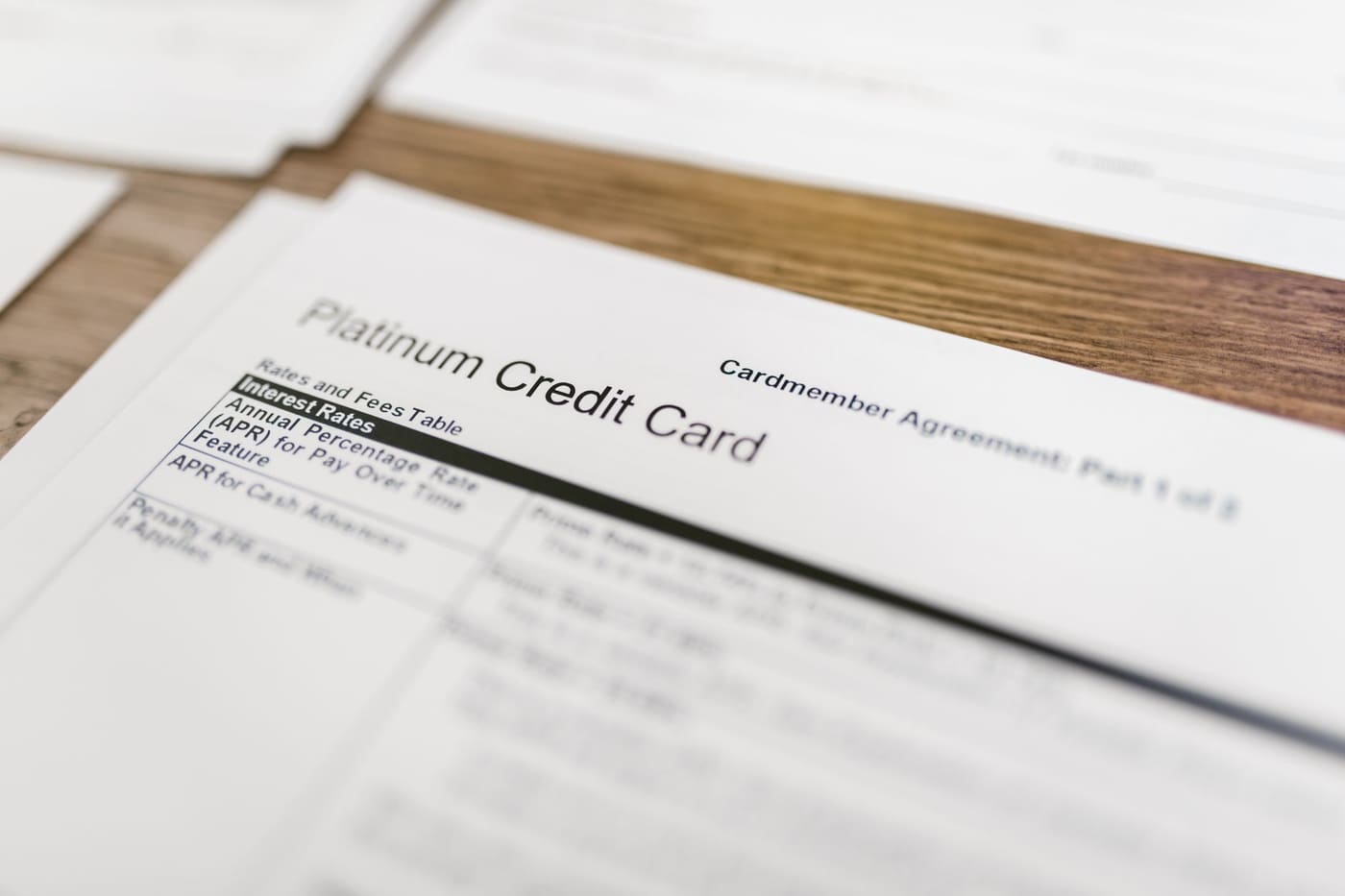
A balance transfer card can help if you can pay off the transferred balance during the promotional period and the transfer fee is smaller than the interest you would otherwise pay. It can backfire if you keep spending on the old cards, make only minimum payments, or still carry a balance when the promotional rate ends. The math is simple, and you should run it before applying.
A balance transfer moves debt from one or more credit cards to a new card, usually one with a low or 0 percent introductory APR for a set number of months. The offer is attractive because high interest is the main thing slowing down card payoff. Terms vary by issuer and change often, so read the real offer. This guide is US-focused and general.
How a balance transfer works
- You apply for a card that offers balance transfers.
- If approved, you request a transfer of balances from your existing cards, up to your new credit limit.
- The new issuer pays off the old cards, and the balance now sits on the new card.
- You pay a one-time transfer fee, added to your balance.
- During the promotional period the new card charges a low or 0 percent rate on the transferred amount.
- When the promotion ends, any remaining balance is charged the card’s regular APR, often high.
You do not escape the debt. You move it somewhere interest is lower for a while, in exchange for a fee.
The numbers to check before applying
- Transfer fee. The Consumer Financial Protection Bureau says it typically runs 3 to 5 percent of the amount moved, and that a 0 percent offer with a fee is not free. On $6,000, 3 percent is $180 and 5 percent is $300.
- Promotional length. Federal rules require an introductory period to last at least six months, and many offers run longer. Check the exact length and when it starts.
- Regular APR after the promotion, which applies to anything left over.
- Credit limit. You may be approved for less than your total debt.
- Treatment of new purchases. Purchases on the card may accrue interest right away, and the CFPB notes the only way to avoid that is to pay the entire balance, promotional part and purchases, by the due date.
- Late payment terms. Many offers say a late payment can end the promotional rate. Read what yours says.
- Annual fee, if any.
A worked example
Assume $6,000 of card debt at 24 percent APR and $400 a month available.
Without a transfer. First-month interest is about $120 (24 percent divided by 12 is 2 percent, times $6,000). At $400 a month the debt takes about 19 months to clear, with total interest around $1,200.
With a 0 percent transfer for 18 months and a 3 percent fee. The fee is $180, so the balance is $6,180. Clearing it within 18 months takes about $343 a month, and at $400 a month you finish in 16 months with no interest. Total cost: the $180 fee. Net saving in this example is roughly $1,000.
The risk case. Transfer $6,000 but pay only $150 a month for 18 months. You will have paid $2,700 and still owe about $3,480 including the fee, which then accrues at the regular rate, perhaps 24 percent or higher. The benefit mostly disappears.
A quick break-even check
A transfer is worth considering when the interest you would pay without it is greater than the transfer fee plus any annual fee, and you have a realistic plan to clear most of the balance before the promotion ends. To plan, divide the transferred balance including the fee by the promotional months. For $6,180 over 18 months, that is about $343 a month. If that does not fit your budget, a transfer is less useful.
When it tends to work
- You qualify for a long promotional period and a reasonable limit.
- You can pay off most or all of the balance within the promotion.
- You will not run up new balances on the old cards.
- You are paying a high APR now.
- You set up automatic payments so due dates are not missed.
When it can backfire
- Spending continues. Pay off the old cards, spend on them again, and your debt doubles.
- Payments are too low. Minimums alone often will not clear the balance in time.
- The promotion ends with a balance. What remains returns to high interest.
- A missed payment may end the promotional rate.
- The fee is large relative to the savings. If you will pay off in two or three months, a 3 to 5 percent fee may cost more than the interest you avoid.
- You were approved for too little, so the problem is only partly solved.
- Credit effects. Applying causes a hard inquiry, a new card lowers your average account age, and using much of the new limit raises your utilization. Closing old cards can reduce available credit. Effects vary and are often temporary, but they can matter if you plan to apply for a mortgage or auto loan soon.
Alternatives to compare
| Option | How it works | Considerations |
|---|---|---|
| Balance transfer card | Low or 0% promotional APR for a set time | Fee, deadline, credit approval needed |
| Personal loan for consolidation | Fixed rate and term, pays off cards | Rate depends on credit, may have an origination fee |
| Ask the issuer for a lower rate | Call and request a reduction | Free, may not work |
| Payoff method on current cards | Avalanche or snowball | No fee, interest continues |
| Nonprofit credit counseling and debt management plan | A counselor negotiates rates and builds a payment plan | May have fees, can affect new credit |
| Home equity borrowing | Uses your home as collateral | You could lose the home, unsuitable for many people |
If you stay on your current cards, debt avalanche versus snowball helps you pick an order.
Steps if you decide to do it
- List each card, balance and APR.
- Estimate monthly interest and a payoff timeline as it stands.
- Compare offers by fee, promotion length, regular APR and limit.
- Calculate the payment needed to clear the balance in time, and confirm it fits your budget. Building a zero-based budget can show where the money might come from.
- Keep paying the old cards’ minimums until the transfer completes, since it can take days or weeks.
- Automate at least the minimum and add an extra payment to reach your target.
- Stop new spending on the old cards.
- Set a reminder a month or two before the promotion ends.
A transfer lowers interest but does not change cash-flow risk. Without a small cash buffer, an unexpected bill can lead to new charges or missed payments, which is the trade-off covered in building savings versus paying down debt first. If your debt feels unmanageable, what to do first when money feels out of control is a gentler starting point.
To compare paying down your balance with and without a transfer, use the debt payoff calculator.
Where this comes from
This article is based on the Consumer Financial Protection Bureau’s consumer material on balance transfers, promotional APRs and the typical 3 to 5 percent transfer fee. The worked example is loan arithmetic with invented numbers. Fees, promotional lengths, rates and issuer terms change often, so confirm every figure in the actual offer and cardholder agreement before applying. This is general information, not financial advice.