A common guideline is three to six months of essential expenses in an emergency fund. Three months tends to be enough for people with stable income, few dependents and other safety nets. Six months or more makes sense with variable income, a single-income household, dependents, or a specialized job that could take a long time to replace. Start with a smaller first target, such as $1,000, while you work toward the full number.
The word “essential” matters. Your fund is sized to the bills you must pay if income stops: housing, utilities, food, transportation, insurance and minimum debt payments, not your full lifestyle spending. The Consumer Financial Protection Bureau also stresses that the right amount depends on your situation, and that even a small amount provides some security. This guide shows how to calculate your number, adjust it, where to hold it and what counts as an emergency.
What an emergency fund is for
It is cash set aside for unexpected, necessary expenses or a drop in income, such as job loss or reduced hours, urgent medical or dental bills, a major car or home repair you cannot postpone, unexpected travel for a family emergency, or a gap between jobs. It is not an investment and is not meant to earn high returns. Its job is to keep a surprise from becoming a debt problem.
How to calculate your number
- List essential monthly expenses using real numbers from recent statements.
- Add them up.
- Multiply by your target number of months.
A made-up example:
| Expense | Monthly amount |
|---|---|
| Rent | $1,400 |
| Utilities and internet | $230 |
| Groceries | $480 |
| Transportation (gas, insurance) | $320 |
| Health insurance and medication | $260 |
| Minimum debt payments | $210 |
| Phone | $70 |
| Total | $2,970 |
Three months is $8,910 and six months is $17,820. The gap is large, which is why choosing your target deliberately matters. Dining out, streaming, travel and hobbies are left out because you would cut them if income stopped.
Three months or six
Factors that point toward closer to three months:
- Steady salaried income in a field with plenty of openings
- Two earners with separate employers
- Low fixed costs and no dependents
- Other resources you could tap, such as family support
Factors that point toward six months or more:
- Variable income such as freelance, commission or seasonal work
- One income supporting a household
- Dependents, or a family member with significant medical needs
- A specialized job where a search can take months
- Self-employment, where income can fall sharply
- Health conditions that could interrupt work
- Owning a home, since repairs are yours to pay
Some people with highly variable income aim for nine or twelve months. That takes years to build, so many stage it as milestones.
Build it in stages
A large target can feel out of reach, so break it into milestones and track each one.
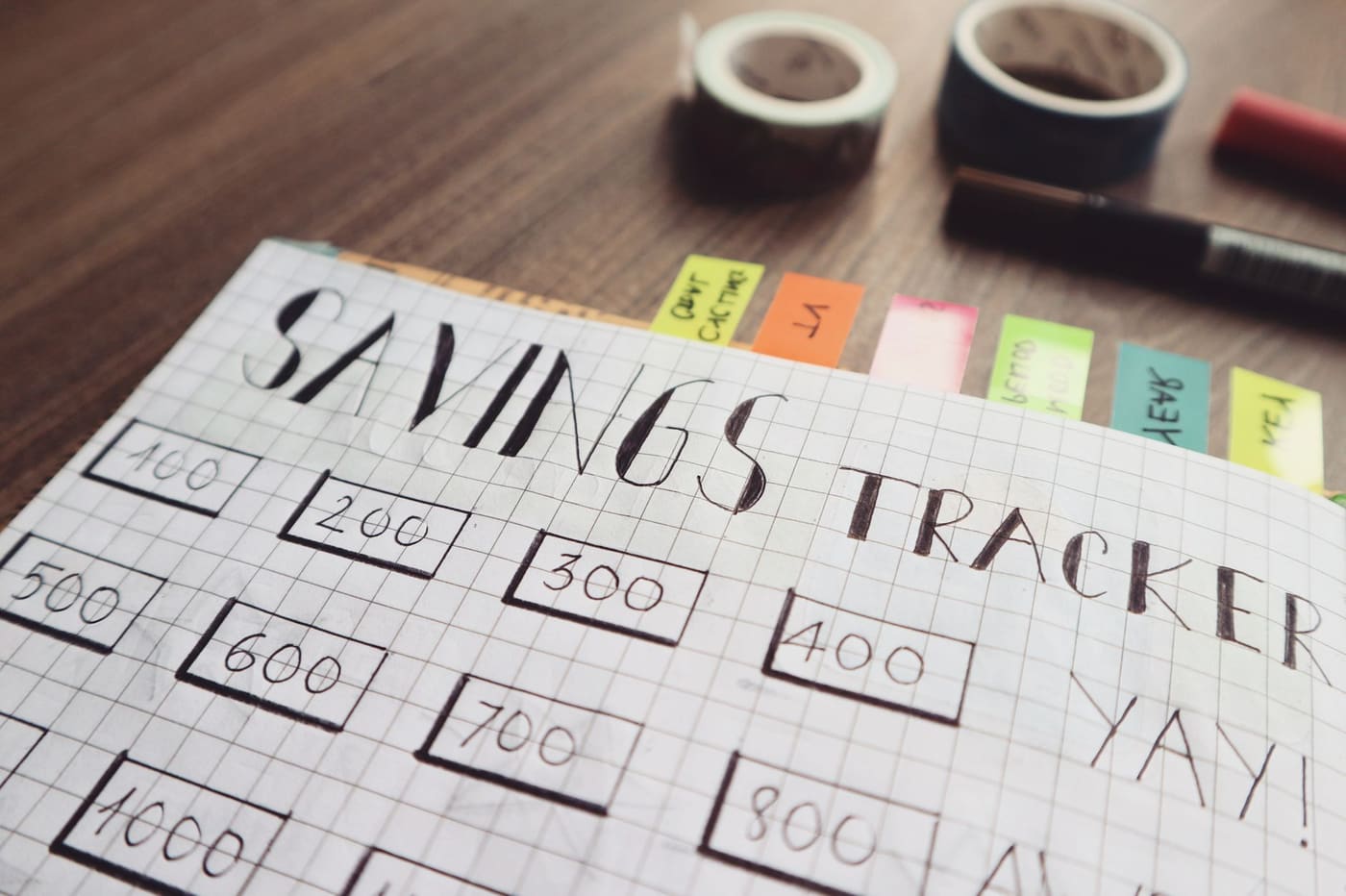
- Starter fund of $500 to $1,500. It covers most small emergencies and keeps the next surprise off a card.
- One month of essentials, about $2,970 in the example.
- Three months of essentials.
- Your full target.
You do not have to finish each stage before doing anything else. How to balance saving and debt is in building savings versus paying down debt first. For timing, saving $300 a month toward the $8,910 three-month target takes about 30 months, and $600 a month takes about 15. Windfalls can shorten that. Tracking progress by milestone helps when the final number feels far away.
Revisit the number when life changes
Your target is not fixed. Recalculate when rent or a mortgage payment changes, when you add a dependent, take on a new debt, change jobs or move from salary to freelance income. Couples can size the fund from their combined essentials, and then ask whether one income alone could cover them, since losing one paycheck is a likelier scenario than losing both. A yearly check against your latest statements keeps the figure honest, and it is also a good moment to confirm your insurance still matches your life.
Where to keep the money
Safety and access come first. Common options are a high-yield savings account (which typically pays more than a standard one, with money available in a day or two), a standard savings account, or a money market account. Rates change often and vary by institution. The CFPB suggests a place that is safe, accessible, and where you are not tempted to spend it on non-emergencies, and names a dedicated bank or credit union account as the safest option.
In the US, the FDIC states its standard deposit insurance amount is $250,000 per depositor, per insured bank, for each account ownership category, and credit unions have comparable federal insurance through the NCUA. These limits can change, so confirm the current rules with the insurer, and spread very large balances if needed.
Keep the fund separate from everyday checking so it is out of sight. Avoid investing it in stocks, because markets can fall at the same time as job losses and you could be forced to sell at a loss, and avoid products with early withdrawal penalties.
What counts as an emergency
A quick test: is it unexpected (a planned annual premium is not), necessary (a TV sale is not), and urgent (if it can wait three months while you save, it probably is not)? Predictable but irregular costs such as car maintenance, annual fees and gifts belong in a separate sinking fund system, so they do not drain your emergency money.
Building it without straining your budget
- Automate a fixed transfer on payday. Even $50 to $100 adds up, and automating savings without overdrafting covers timing.
- Save windfalls such as part of a tax refund, bonus or gift.
- Make temporary cuts, such as unused subscriptions, and redirect the savings.
- Sell items you no longer use.
- Send half of any raise to savings before it merges with spending.
Downsides and common mistakes
- Holding too much cash. A very large fund can lose purchasing power to inflation, but this matters mostly once you are well past your target.
- Holding too little. A fund covering two weeks may not prevent borrowing. A minimum buffer beats none, but it is not a full safety net.
- Raiding it for non-emergencies. Rebuild after any withdrawal.
- Waiting for a perfect number. Starting with $25 beats waiting.
- Skipping insurance. A fund does not replace health, car or home coverage, and a higher health deductible raises how much cash you may need, as in choosing a health insurance deductible.
- Counting on credit. A credit card is debt with interest, not an emergency fund.
If you spend from the fund, treat it as the system working, then rebuild, for example with $100 a month. If you also carry high-interest debt, the article on pausing extra debt payments can help balance both.
To turn a target into a monthly amount, use the savings goal calculator.
Where this comes from
This article is based on the Consumer Financial Protection Bureau’s emergency fund guidance (size depends on your situation, small amounts help, keep it safe and accessible), the FDIC’s description of the standard deposit insurance amount, and the widely repeated three-to-six-months guideline, which is a rule of thumb rather than an official standard. The expense table and timelines are invented arithmetic. Savings rates and insurance limits change, so check current figures with your bank and the FDIC or NCUA. This is general information, not financial advice.